
Getting Started with DIY Dog Grooming
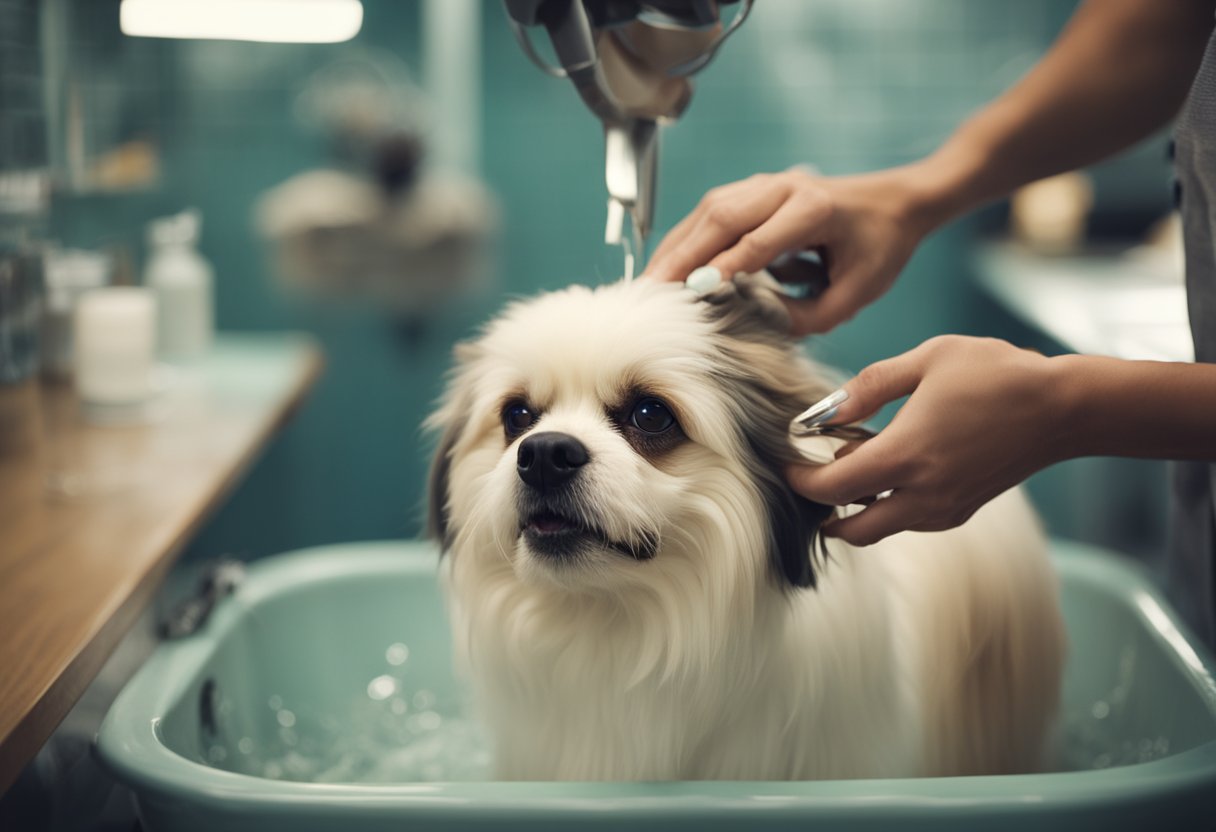
Grooming your dog at home can be a rewarding experience for both you and your furry friend. Not only does it save you money, but it also allows you to bond with your pet and keep them looking and feeling their best. Before you get started, there are a few things you need to know.
Essential Grooming Tools
To get started with DIY dog grooming, you'll need a few essential tools. Here are some items you should consider:
| Tool | Description |
|---|---|
| Dog Shampoo | Choose a shampoo that is specifically formulated for dogs. Avoid using human shampoo as it can be too harsh for your dog's skin. |
| Brush | Different types of brushes work best for different coat types. For example, a slicker brush is great for removing tangles and mats, while a bristle brush is good for smoothing out short coats. |
| Nail Clippers | You'll need a pair of nail clippers that are designed for dogs. Make sure to choose the right size for your dog's nails. |
| Towels | Have a few towels on hand to dry your dog after their bath. |
| Treats | Reward your dog for good behavior during the grooming process. |
Creating a Grooming-Friendly Space
Before you start grooming your dog, it's important to create a grooming-friendly space. Here are some tips:
- Choose a location that is easy to clean, such as a bathroom or laundry room.
- Use a non-slip mat to prevent your dog from slipping on wet surfaces.
- Keep all of your grooming tools in one place so they are easy to find.
- Play some calming music to help your dog relax during the grooming process.
- Make sure the room is well-ventilated to prevent your dog from getting too hot.
By following these tips and using the right tools, you can create a positive grooming experience for your dog. With a little bit of practice, you'll be able to keep your dog looking and feeling their best all year round.
Bathing Your Dog
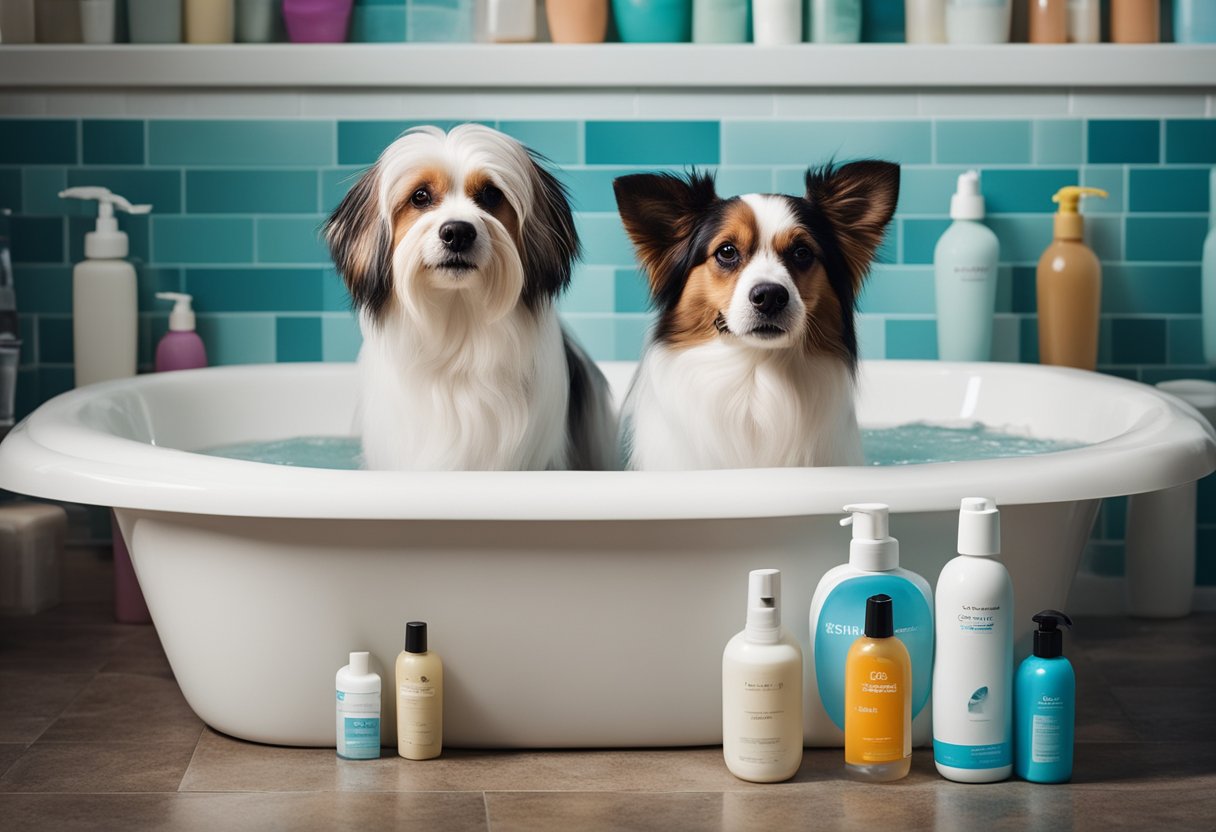
Bathing your dog is an essential part of their grooming routine. It helps to keep their coat clean and healthy, and also prevents any skin infections or irritations. In this section, we will walk you through the step-by-step process of bathing your dog at home.
Preparing for Bath Time
Before you begin bathing your dog, make sure you have all the necessary supplies ready. Here is a list of things you will need:
- Dog shampoo (avoid using human shampoo as it can be too harsh for your dog's skin)
- Towels
- Rubber mat or non-slip surface in the bathtub or shower
- Cup or sprayer for rinsing
- Cotton balls (to prevent water from entering your dog's ears)
- Brush or comb
It's important to choose a dog shampoo that is appropriate for your dog's skin and coat type. If your dog has sensitive skin, look for a hypoallergenic shampoo. For dogs with dry skin, consider a moisturizing shampoo. Consult with your veterinarian if you are unsure which shampoo to use.
Step-by-Step Bathing Process
Follow these steps to give your dog a thorough bath:
- Brush your dog's coat to remove any tangles or mats.
- Place your dog in the bathtub or shower on a non-slip surface.
- Wet your dog's coat thoroughly with lukewarm water.
- Apply a small amount of shampoo to your dog's coat and lather it up, avoiding their face and ears.
- Rinse your dog's coat thoroughly with lukewarm water.
- Apply conditioner if desired, and rinse again.
- Use a cotton ball to clean your dog's ears, being careful not to insert it too far.
- Use a cup or sprayer to rinse your dog's coat thoroughly.
- Towel dry your dog, and use a hair dryer on a low setting if necessary.
- Brush your dog's coat again to remove any tangles or mats.
Drying Techniques Post-Bath
After bathing your dog, it's important to dry them thoroughly to prevent any skin infections or irritations. Here are some tips for drying your dog:
- Use a towel to remove as much water as possible from your dog's coat.
- Use a hair dryer on a low setting, holding it at least 6 inches away from your dog's coat.
- If your dog has long hair, consider using a slicker brush while blow-drying to prevent tangles.
- Make sure your dog is completely dry before letting them outside or going to bed.
By following these steps, you can give your dog a comfortable and effective bath at home. Regular bathing and grooming will help keep your dog healthy and happy.
Brushing Techniques
 |
Selecting the Right Brush
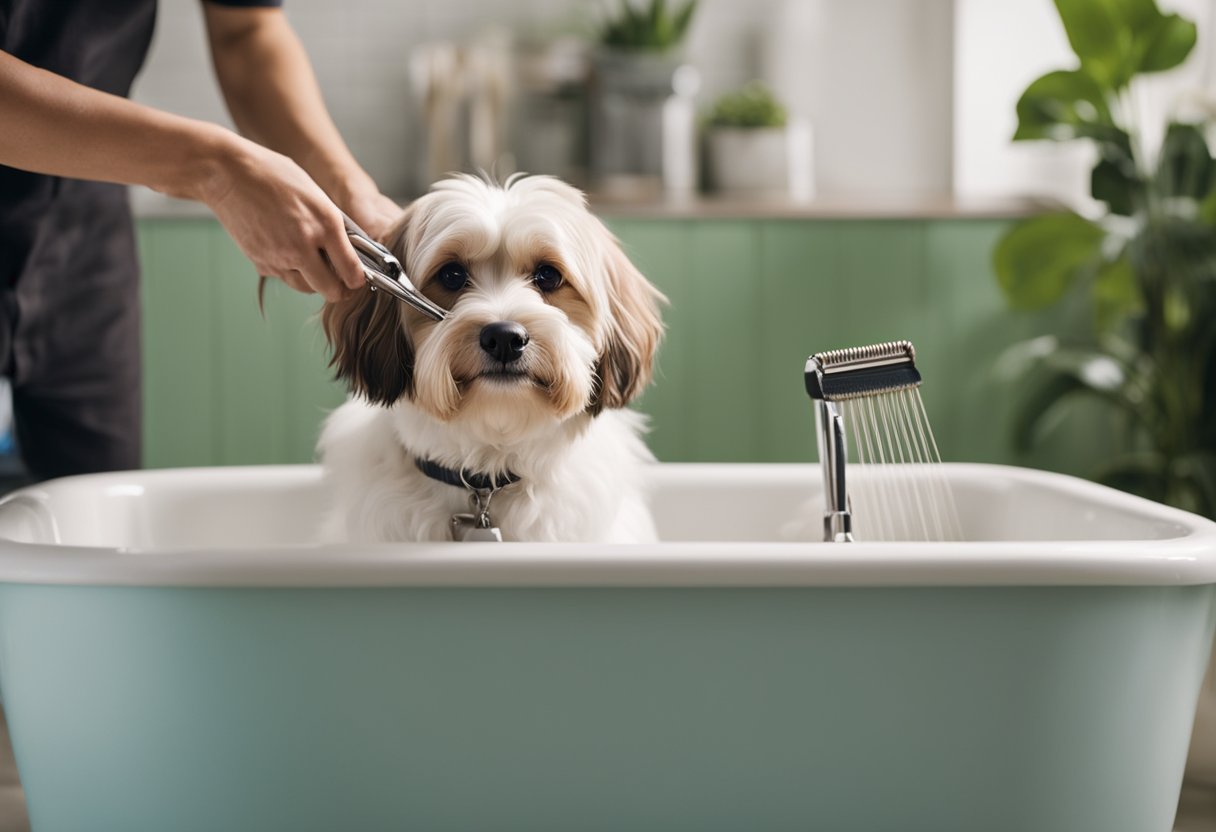
Choosing the right brush for your dog is crucial for effective grooming. Different brushes work best for different coat types and lengths. Here are the most common types of brushes and their uses:
- Slicker Brush: Ideal for removing mats and tangles from medium to long-haired dogs.
- Bristle Brush: Best for short-haired dogs or for finishing a grooming session.
- Pin Brush: Good for dogs with long, silky coats.
- Undercoat Rake: Designed for dogs with thick undercoats, such as Huskies and Malamutes.
When selecting a brush, consider your dog's coat type and the purpose of the brush. It's also important to choose a brush with comfortable handles to avoid hand fatigue during grooming sessions.
Brushing Different Coat Types
Brushing techniques vary depending on your dog's coat type. Here are some tips for brushing different coat types:
- Short-haired dogs: Use a bristle brush to remove loose fur and dirt. Brush in the direction of hair growth, starting at the head and working your way down to the tail.
- Medium to long-haired dogs: Use a slicker brush to remove mats and tangles. Brush in small sections, starting at the base of the fur and working your way outwards. Use a comb to remove any remaining tangles.
- Double-coated dogs: Use an undercoat rake to remove loose fur from the undercoat. Brush in the direction of hair growth, starting at the head and working your way down to the tail. Be gentle to avoid damaging the topcoat.
- Curly-haired dogs: Use a pin brush to detangle and fluff the fur. Brush in small sections, starting at the base of the fur and working your way outwards. Use a comb to remove any remaining tangles.
Regular brushing not only keeps your dog looking good, but it also helps to distribute natural oils throughout the coat, keeping it healthy and shiny.