
Decoding Cat Body Language: An Overview
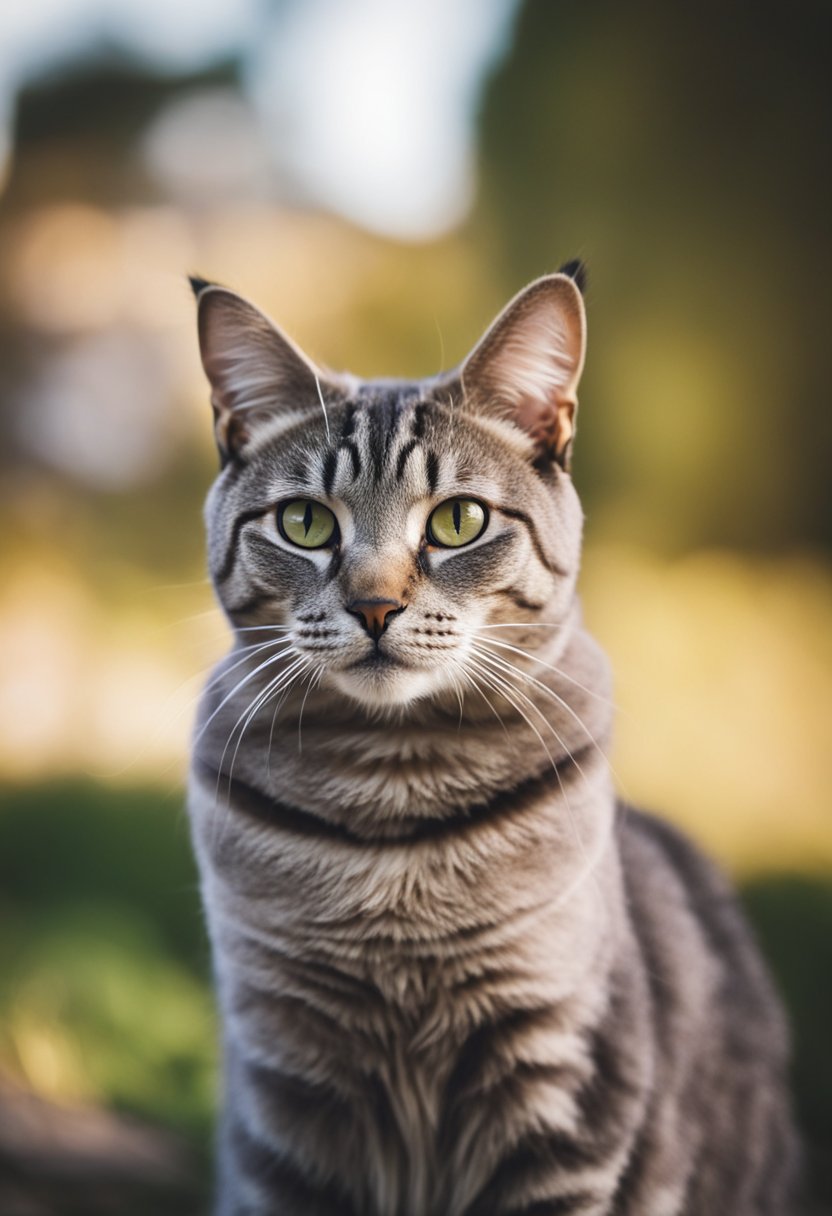
Understanding your cat's body language is key to building a strong and positive relationship with your feline friend. Cats communicate through body language, vocalizations, and scent. By learning to read your cat's body language, you can better understand their emotions and respond appropriately.
Here are some common cat body language cues and what they mean:
Tail
A cat's tail is a good indicator of their mood. A relaxed tail means your cat is calm and content. A tail held high with a slight curve at the top indicates your cat is happy and confident. A puffed up tail indicates your cat is scared or agitated, while a tail tucked between the legs indicates fear or submission.
Ears
Cats use their ears to communicate their emotions. Ears held forward indicate your cat is alert and interested in their surroundings. Ears flattened against the head indicate fear or aggression.
Eyes
A cat's eyes can also give you clues about their mood. Dilated pupils indicate your cat is excited or scared, while constricted pupils indicate your cat is feeling aggressive or defensive.
Body Posture
A cat's body posture can also tell you a lot about their mood. A relaxed, open posture with a slightly arched back indicates your cat is comfortable and content. A hunched posture with a tense body indicates fear or aggression.
By paying attention to your cat's body language, you can better understand their emotions and respond appropriately. Remember to always approach your cat gently and with respect, and never force them to interact with you if they don't want to.
Signs of Affection in Cats
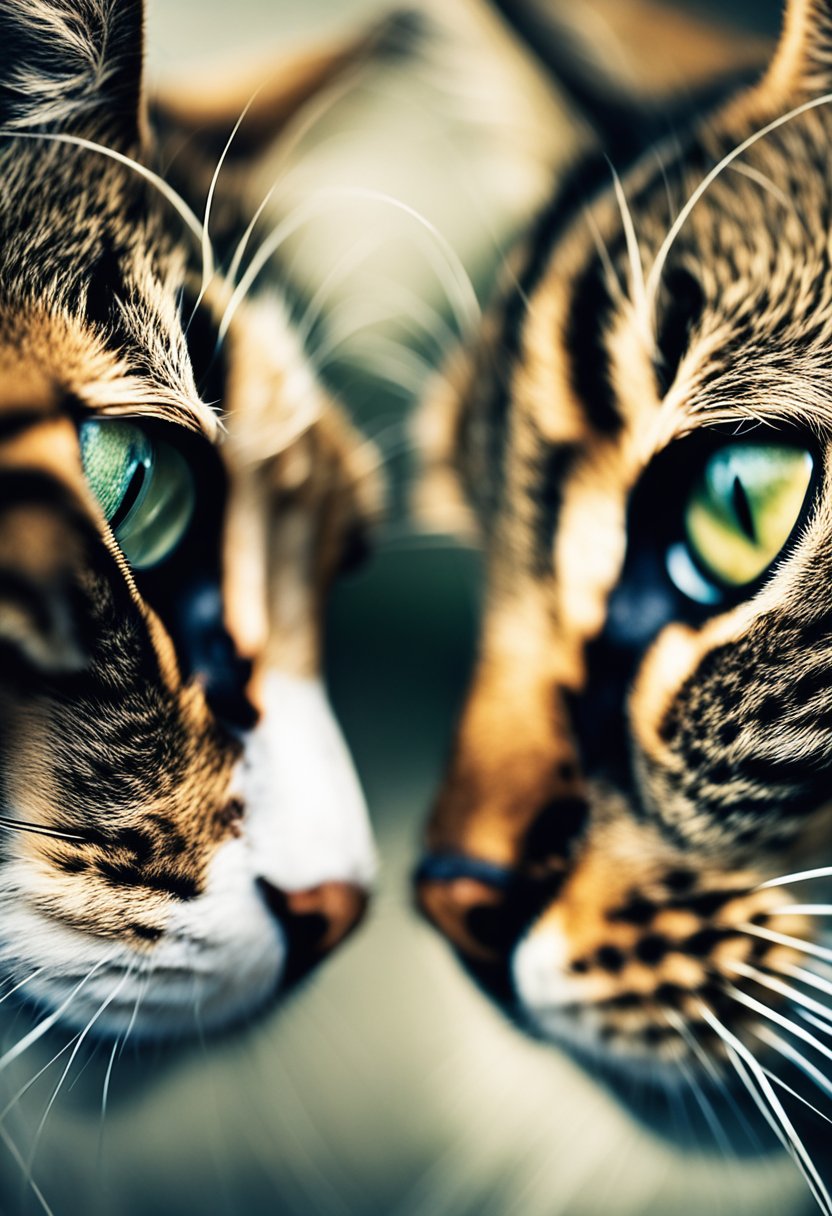
Cats have a reputation for being aloof, but they can be very affectionate with their humans. Understanding the signs of affection in cats can help you build a stronger bond with your feline friend.
Slow Blinking
One of the most well-known signs of affection in cats is the slow blink. When your cat looks at you and blinks slowly, it's a sign that they trust you and feel relaxed in your presence. You can respond by returning the slow blink, which is a way of saying "I love you" in cat language.
Head-Butting
Another sign of affection in cats is head-butting. When your cat rubs their head against you, it's a way of marking you with their scent and showing that they feel comfortable with you. You can respond by gently petting your cat or giving them a scratch behind the ears.
Purring and Kneading
When a cat purrs, it's often a sign that they are feeling content and relaxed. Some cats also knead with their paws when they are feeling affectionate. This behavior is thought to be a leftover from kittenhood, when kittens knead their mother's belly to stimulate milk flow. If your cat kneads you, it's a sign that they feel safe and loved in your presence.
Overall, understanding the signs of affection in cats can help you build a stronger bond with your feline friend. By responding to your cat's affectionate behaviors, you can show them that you love and appreciate them.
Recognizing Fear in Feline Behavior
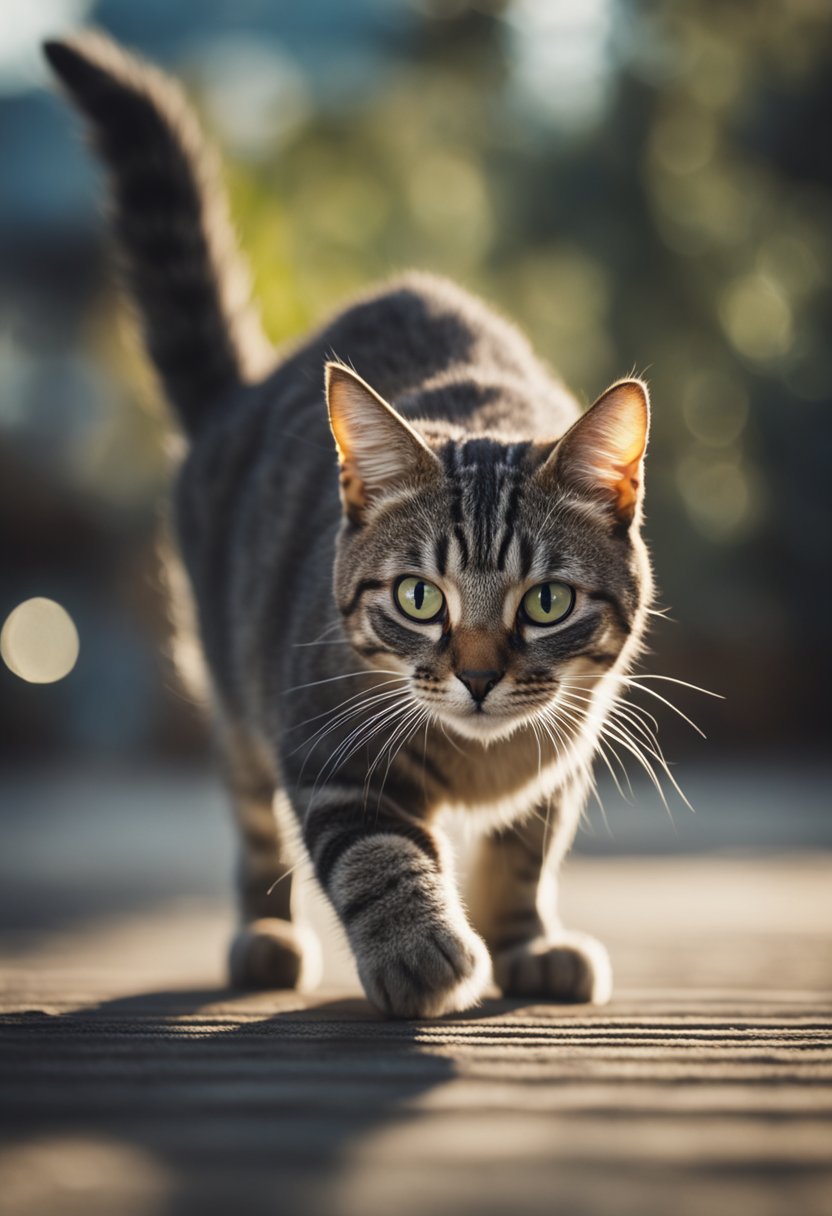
Cats are known for their mysterious and sometimes unpredictable behavior. However, understanding their body language can help you recognize when they are feeling fearful or anxious. In this section, we will discuss some common signs of fear in cats.
Arched Back and Puffed Tail
When a cat is afraid, they may arch their back and puff up their tail to make themselves look bigger. This is a defensive posture that is meant to intimidate potential threats. If you see your cat in this position, it's best to give them some space and avoid approaching them until they feel more relaxed.
Hiding and Escape Behaviors
Another sign of fear in cats is when they hide or try to escape from a perceived threat. This could include hiding under furniture, running away, or even climbing up to a high perch. If your cat is exhibiting these behaviors, it's important to create a safe and secure environment for them where they feel comfortable and protected.
Hissing and Growling
When a cat feels threatened or scared, they may hiss or growl as a warning to back off. These vocalizations are meant to intimidate and communicate that the cat is feeling threatened. If your cat is hissing or growling, it's important to give them space and avoid approaching them until they feel more comfortable.
By recognizing these common signs of fear in cats, you can better understand their behavior and provide them with the care and support they need to feel safe and secure.
Identifying Aggression in Cats
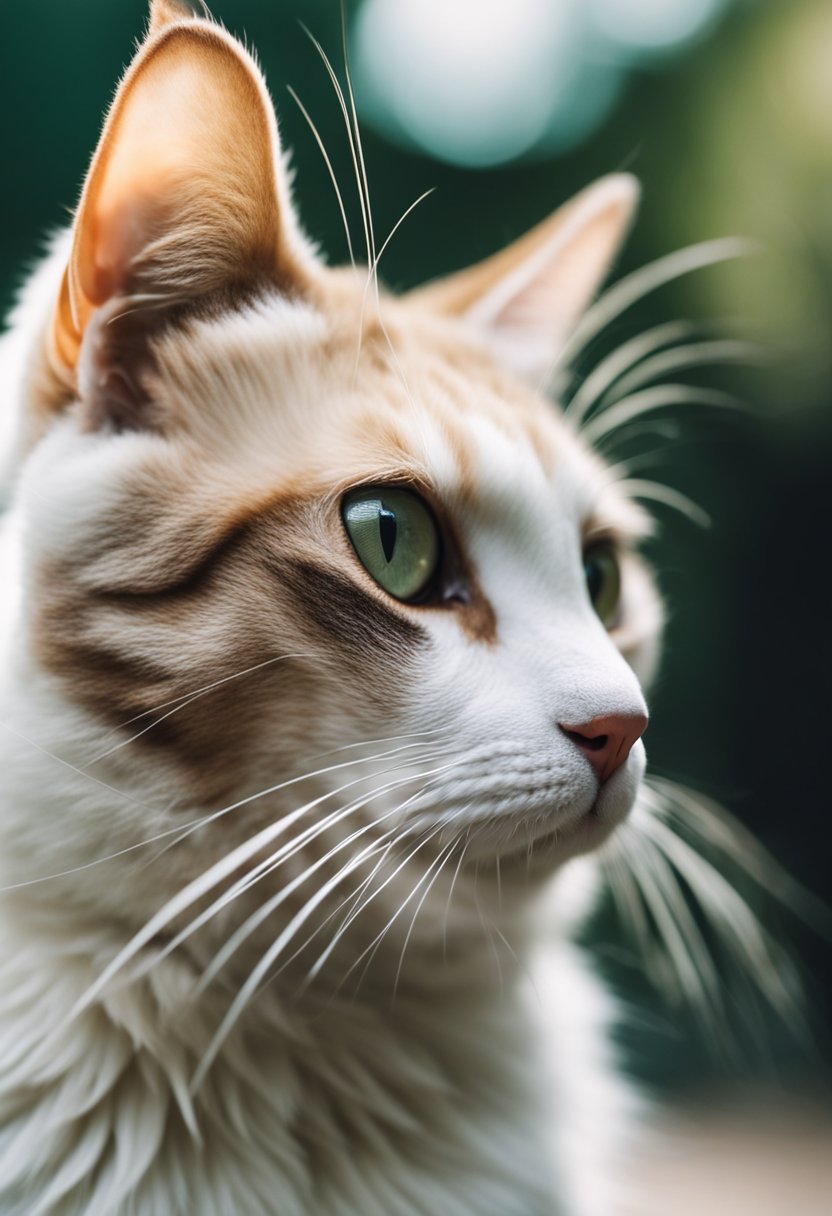
Cats communicate through body language, and it is important to understand the signs of aggression to prevent injury. Here are some common signs to look out for:
Staring and Stalking
When a cat is feeling aggressive, they may stare at their target intently and then begin to stalk them. You may notice the cat's pupils dilate, and their body tense up. This behavior is a clear indication that the cat is preparing to pounce and attack.
Swatting and Biting
Cats may swat at their target with their paws or bite when feeling aggressive. This behavior can be painful and cause injury. If you notice a cat swatting or biting, it is important to give them space and avoid provoking them further.
Ears Flattened and Whiskers Back
When a cat's ears are flattened against their head and their whiskers are pulled back, it is a sign that they are feeling threatened or aggressive. This body language is a clear indication that the cat is not in a playful mood and may attack if provoked.
In summary, it is important to understand the signs of aggression in cats to prevent injury. If you notice any of these behaviors in a cat, it is important to give them space and avoid provoking them further.
Interpreting Tail Movements and Postures
Understanding your cat's tail movements and postures is key to interpreting their body language. A cat's tail is an extension of their spine and can convey a range of emotions and intentions. In this section, we will explore three common tail movements and postures and what they mean.
Tail Up: Confidence and Contentment
When a cat holds their tail up high, it signals confidence and contentment. A straight, vertical tail with a slight curve at the end indicates a friendly greeting or a happy mood. If your cat approaches you with their tail up, it means they are comfortable and happy to see you. However, if the tail is puffed up and bristled, it may signal aggression or fear.
Tail Twitching: Irritation or Focus
A twitching tail can indicate irritation or intense focus. If your cat's tail is twitching rapidly, it may signal annoyance or impatience. On the other hand, if the tail is twitching slowly, it could mean your cat is focused on something, such as a bird outside the window. A twitching tail can also indicate excitement or anticipation, such as when your cat is waiting for a treat.
Tail Wrapped or Tucked: Anxiety or Submission
When a cat wraps their tail around their body or tucks it between their legs, it can signal anxiety or submission. A tucked tail can indicate fear or discomfort, while a wrapped tail can signal nervousness or uncertainty. If your cat's tail is wrapped tightly around their body, it may indicate they are feeling threatened or anxious. If your cat's tail is tucked between their legs, it may mean they are feeling submissive or scared.
By paying attention to your cat's tail movements and postures, you can gain a better understanding of their emotions and intentions. However, it's important to remember that every cat is unique, and their body language may vary depending on their personality and past experiences.
Understanding Vocalizations and Their Meanings
Cats are known for their vocalizations, and understanding what they mean can help you better communicate with your feline friend. Here are some common vocalizations and their meanings:
Meows and Chirps
Meows and chirps are some of the most common vocalizations cats make. They can mean a variety of things, including greetings, requests for attention, and expressions of happiness. A short, high-pitched meow is often a greeting, while a longer, lower-pitched meow may be a request for attention or food.
Chirps are often used by cats as a way to communicate with their owners. They are typically short, high-pitched sounds that are used to get your attention or express excitement.
Growls and Hisses
Growls and hisses are vocalizations that cats use to communicate fear, aggression, or discomfort. They are often accompanied by body language such as arched backs, flattened ears, and raised fur. A growl is a low, rumbling sound that is often used as a warning to stay away, while a hiss is a sharp, high-pitched sound that is used to express fear or discomfort.
If your cat is growling or hissing, it is important to give them space and avoid approaching them until they feel more comfortable.
Purrs and Trills
Purring is a common vocalization that cats make when they are happy and content. It is often accompanied by kneading and other signs of relaxation. Trills are similar to purrs, but they are usually shorter and higher-pitched. They are often used as a greeting or expression of excitement.
Understanding your cat's vocalizations can help you better communicate with them and build a stronger bond. By paying attention to their body language and the context of their vocalizations, you can learn to interpret their messages and respond appropriately.