
Understanding Your Pet's Play Preferences
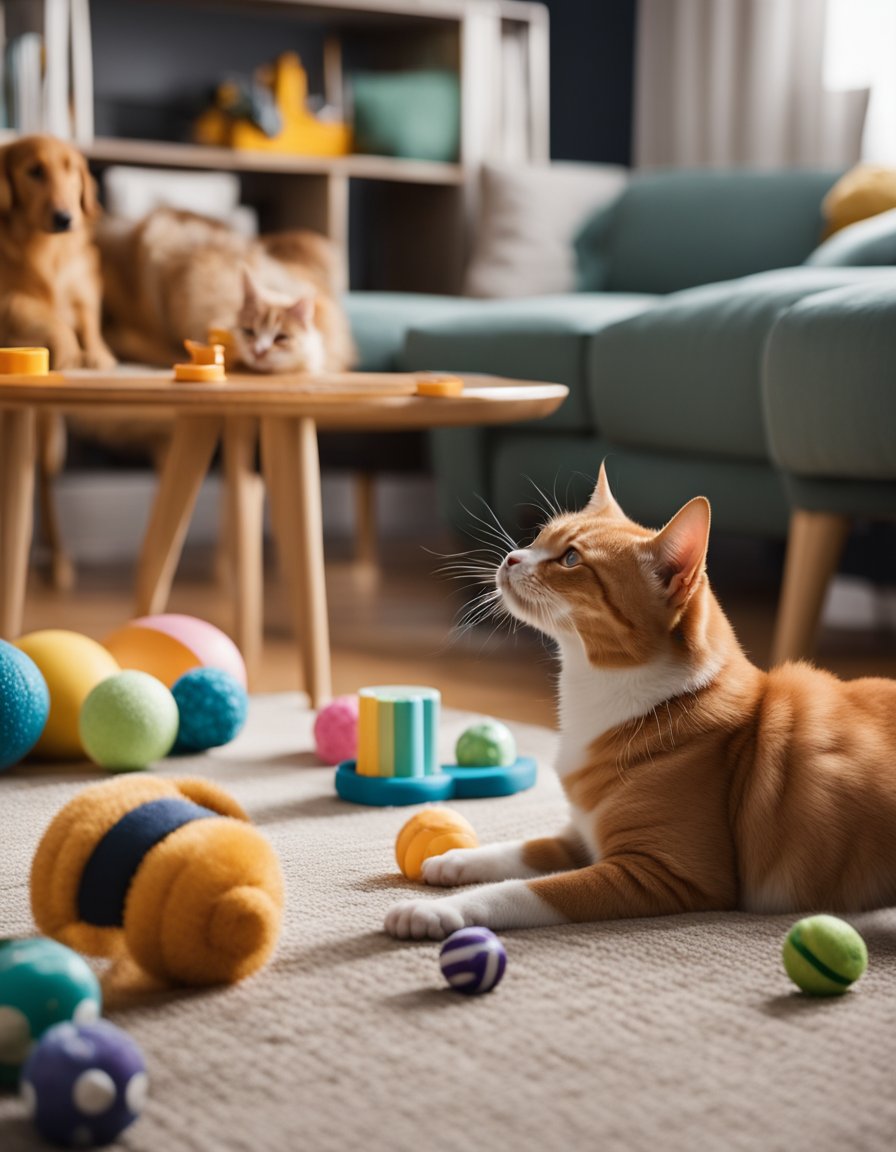
Playing with your pet is an excellent way to bond and keep them mentally and physically stimulated. However, not all pets have the same play preferences. Understanding your pet's play preferences can help you choose games and toys that they will enjoy and engage with.
Assessing Your Pet's Activity Level
Before choosing a game or toy, it is essential to assess your pet's activity level. Some pets are more active than others and may require more stimulation to keep them engaged. For example, a high-energy dog may need more intense games such as fetch or tug-of-war, while a senior dog may prefer less strenuous activities such as hide-and-seek or puzzle toys.
Cats also have varying activity levels, and it's essential to choose toys that match their energy levels. Some cats may prefer toys that they can chase and pounce on, such as feather wands or laser pointers, while others may prefer puzzle toys or interactive feeding toys.
Identifying Favorite Toys and Games
Just like humans, pets have their favorite toys and games. Identifying your pet's favorite toys and games can help you choose new ones that they will enjoy. For example, if your dog loves playing fetch, you can try introducing new toys that are similar to the ones they already love, such as frisbees or tennis balls.
Cats also have their preferences when it comes to toys. Some cats may prefer toys that mimic prey, such as mice or birds, while others may prefer toys that they can bat around, such as balls or crinkle toys.
In conclusion, understanding your pet's play preferences can help you choose games and toys that will keep them engaged and entertained. By assessing their activity level and identifying their favorite toys and games, you can ensure that you are providing them with the right kind of stimulation and enrichment.
Interactive Games for Dogs and Cats
Tug-of-War Variations for Dogs
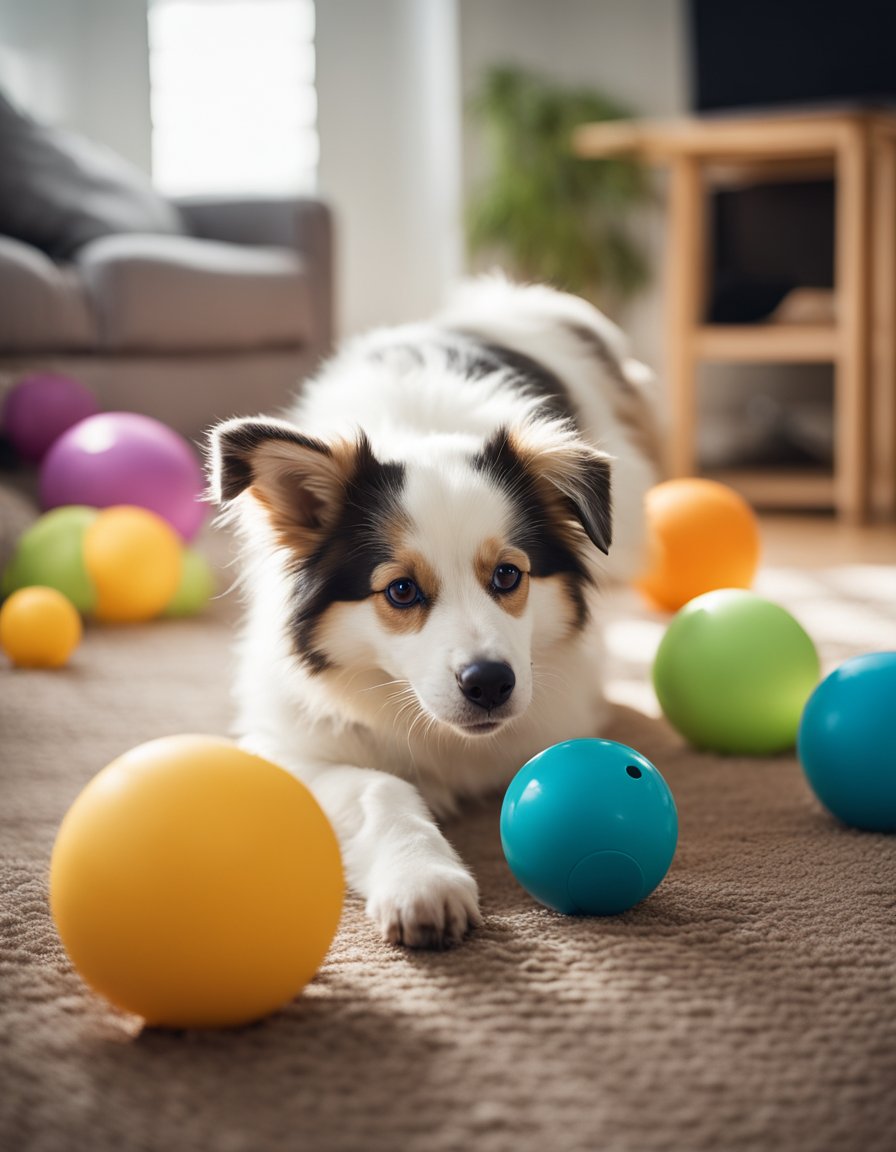
Tug-of-War is a classic and interactive game that dogs love to play. It is a great way to build your bond with your furry friend while also providing them with a physical workout. To make this game more interesting, you can try some variations such as:
-
Tug-of-War with a rope toy: Dogs love to play with rope toys, and they are perfect for a game of tug-of-war. You can use a long rope toy and hold one end while your dog holds the other. Pull the toy in different directions and let your dog try to pull it away from you.
-
Tug-of-War with a soft toy: If your dog prefers soft toys, you can use them for a game of tug-of-war as well. Hold one end of the toy and let your dog grab the other end. Gently pull the toy and let your dog try to pull it away from you.
-
Tug-of-War with a stick: If you are out on a walk with your dog, you can use a stick for a game of tug-of-war. Find a stick that is long enough for you to hold one end while your dog holds the other. Gently pull the stick and let your dog try to pull it away from you.
Laser Chase and Pounce for Cats
Cats love to chase and pounce on things, and a laser pointer is the perfect toy for this game. Here are some tips for playing laser chase and pounce with your cat:
-
Use a laser pointer: Use a laser pointer to create a moving light on the floor or walls. Move the light around and watch your cat chase and pounce on it.
-
Avoid shining the laser in your cat's eyes: Make sure you do not shine the laser pointer in your cat's eyes as it can damage their eyesight.
-
End the game with a treat: Once your cat has chased and pounced on the laser pointer for a while, end the game with a treat. This will help your cat associate the game with a positive experience.
Playing interactive games with your dog or cat is a great way to build your bond with them while also providing them with physical and mental stimulation. Try these variations of tug-of-war for dogs and laser chase and pounce for cats to keep your furry friend entertained and happy.
Training-Based Games for Skill Building
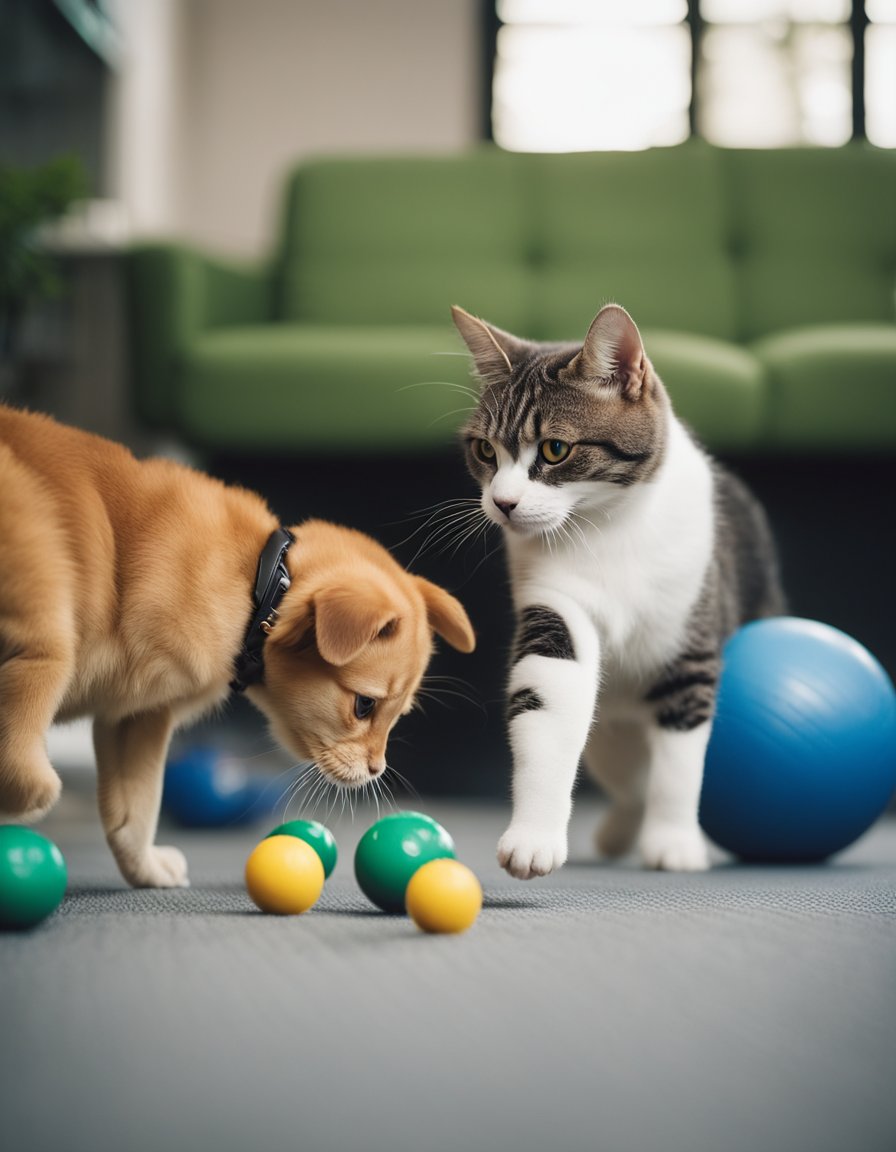
If you're looking to train your dog or cat while having fun, there are plenty of games that can help build their skills. Here are two training-based games that you can play with your furry friend:
Obedience Hide and Seek
This game is a fun way to reinforce obedience commands with your pet. Start by having your pet sit and stay in one room while you hide in another. Call your pet's name and give a command, such as "come" or "stay," and wait for them to find you. When your pet finds you, reward them with a treat or toy.
To make the game more challenging, you can hide in different places or add distractions, such as toys or other people. This game helps to reinforce obedience commands and improve your pet's listening skills.
Agility Courses for Small Spaces
Agility courses are a great way to build your pet's physical and mental skills. However, if you don't have a lot of space, you can still create a mini agility course in your home.
Start by setting up obstacles such as cones or boxes for your pet to jump over or go around. Use treats or toys to lure your pet through the course, and reward them when they complete each obstacle.
To make the course more challenging, you can add more obstacles or change the order of the obstacles. This game helps to improve your pet's coordination, balance, and agility skills.
Remember, training-based games should be fun for both you and your pet. By incorporating these games into your playtime, you can help build your pet's skills while strengthening your bond with them.
Solo Play Ideas for Independent Pets
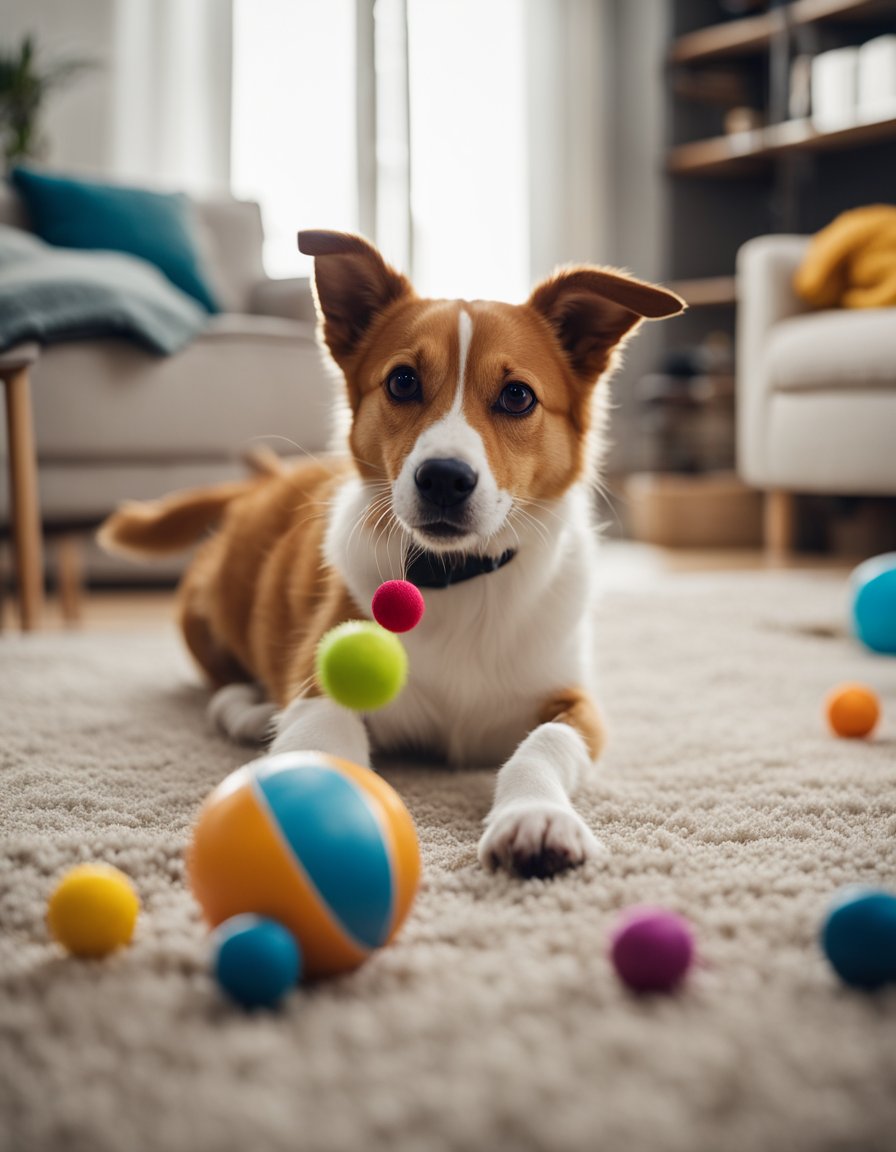
If you have a pet that enjoys playing independently, there are many options available to keep them entertained and mentally stimulated. Here are some solo play ideas for independent pets:
Puzzle Feeders and Treat Dispensers
Puzzle feeders and treat dispensers are great options for pets who love to eat and play. These toys are designed to challenge your pet's mind and keep them engaged for longer periods. Puzzle feeders and treat dispensers come in a range of shapes, sizes, and difficulty levels, so you can find the perfect one for your pet.
To use a puzzle feeder or treat dispenser, simply fill it with your pet's favorite treats or kibble. Your pet will then need to figure out how to get the treats out of the toy. This can involve pushing, pulling, or rotating different parts of the toy to release the treats.
Automated Toys for Self-Entertainment
Automated toys are perfect for pets who love to play but don't always have someone available to play with them. These toys are designed to move and make noise on their own, which can be very entertaining for pets.
One popular option is a laser pointer toy. This toy projects a laser beam that moves around on the floor or wall, and your pet will try to catch it. Another option is an automated ball launcher, which will throw a ball for your pet to chase.
Overall, solo play ideas for independent pets are a great way to keep your pet entertained and mentally stimulated, even when you're not available to play with them. Puzzle feeders and treat dispensers and automated toys are just a few of the many options available, so you're sure to find something that your pet will love.
Creating a Safe Indoor Play Environment
When playing with your pet indoors, it is important to create a safe environment to prevent accidents and injuries. Here are some tips for creating a safe indoor play environment for your pet.
Pet-Proofing Your Space
Before you start playing with your pet indoors, make sure to pet-proof your space. This means removing any potential hazards that could harm your pet. Here are some things to consider:
- Secure any loose wires or cords to prevent your pet from chewing on them.
- Keep toxic substances such as cleaning products, medications, and plants out of reach.
- Store any small objects, such as buttons or coins, that your pet could swallow.
- Block off any areas that are off-limits to your pet, such as the stairs or certain rooms.
By pet-proofing your space, you can create a safer environment for your pet to play in.
Choosing Appropriate Toys for Indoor Use
When choosing toys for indoor play, it is important to consider your pet's size, age, and activity level. Here are some tips for choosing appropriate toys:
- Choose toys that are the right size for your pet to prevent choking hazards.
- Consider your pet's age and activity level when selecting toys. Puppies and younger pets may need softer toys, while older pets may need toys that are easier to chew.
- Avoid toys with small parts that could be easily chewed off and swallowed.
- Look for toys that are durable and can withstand your pet's play style.
By choosing appropriate toys, you can help prevent accidents and ensure that your pet has a safe and enjoyable playtime indoors.
Remember, safety should always come first when playing with your pet indoors. By pet-proofing your space and choosing appropriate toys, you can create a safe and fun environment for your pet to play in.
Bonding Through Play: Enhancing Your Relationship
Playing with your pet is not only fun, but it can also be a great way to enhance your relationship with them. Regular play sessions can help build trust, reduce stress, and improve communication between you and your furry friend.
Regular Play Sessions
Regular play sessions are important for bonding with your pet. Make sure to set aside some time each day to play with your pet. This can be as simple as playing fetch with a ball or using a feather wand to play with your cat.
When playing with your pet, it's important to let them take the lead and choose the type of play they enjoy. This will help them feel more comfortable and relaxed, and it will also help build trust between you and your pet.
Understanding Pet Body Language During Play
Understanding your pet's body language during play is important for ensuring that both you and your pet have a safe and enjoyable experience. Some signs that your pet may not be enjoying the play session include:
- Pinned-back ears
- Tail tucked between legs
- Growling or hissing
- Biting or scratching
If you notice any of these signs, it's important to stop the play session and give your pet some space. It's also important to never force your pet to play if they don't want to.
In conclusion, playing with your pet is a great way to enhance your relationship and build trust. Make sure to set aside regular play sessions and always pay attention to your pet's body language during play. By doing so, you and your furry friend can enjoy a happy and healthy relationship.