
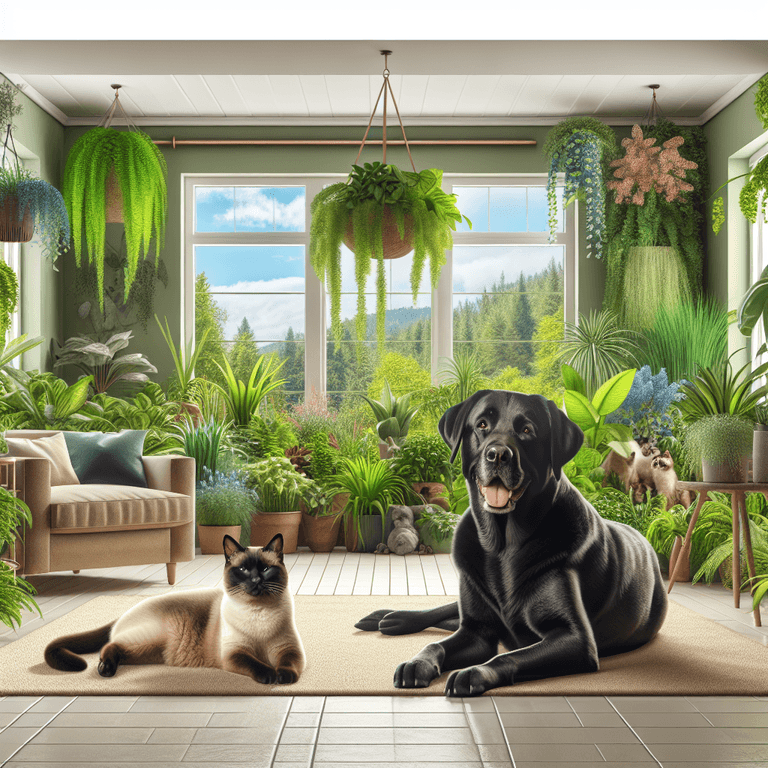
Creating a harmonious home for both you and your pets involves careful consideration of your indoor environment. Pet-safe houseplants are a great way to improve air quality and keep your furry friends safe. These plants not only look good but also help filter out harmful pollutants and release oxygen.
Benefits of having pet-safe houseplants in your home include:
- Improved Air Quality: Many indoor plants absorb carbon dioxide and eliminate toxins like formaldehyde and benzene.
- Healthier Pets: Non-toxic plants reduce the risk of harmful reactions in curious pets who may nibble on leaves.
- Aesthetic Appeal: Lush greenery adds vibrancy to any room, making your living space more inviting.
In this guide, we will explore the best pet-safe houseplants known for their air-purifying properties. We'll also share essential care tips to help you create a healthy environment for both you and your pets.
1. Understanding the Importance of Indoor Air Quality
The air quality in your home significantly affects both your health and that of your pets. Poor indoor air can lead to various health issues, including respiratory problems, allergies, and fatigue. For pets, inhaling polluted air can result in similar health concerns, impacting their overall well-being.
How Indoor Plants Improve Air Quality
Pet-safe houseplants play a crucial role in improving indoor air quality. They:
- Filter out harmful pollutants such as formaldehyde and benzene
- Release oxygen through photosynthesis
This natural purification process not only creates a healthier environment but also contributes to a more vibrant living space for you and your furry friends.
Additional Benefits of Indoor Plants
Research has shown that incorporating indoor plants can have additional benefits:
- Increased productivity: A study by the University of Exeter found that employees working in environments with plants reported a 15% increase in productivity compared to those in sterile settings.
- Reduced stress levels: The presence of greenery has been linked to reduced stress levels and improved mood.
Consider these air-purifying benefits when selecting houseplants for your home. By choosing pet-friendly options, you ensure a safe haven that enhances both aesthetics and air quality, benefiting everyone in your household.
2. How to Choose and Care for Pet-Safe Houseplants
Choosing the right plants for your home should be a balance between what looks good and what is safe for your pets. Here's how you can do it:
Choosing Pet-Friendly Plants
When selecting houseplants, keep these tips in mind:
- Do Your Research: Look for plants that are specifically labeled as non-toxic to pets. The ASPCA has a helpful list of toxic and non-toxic plants that you can refer to.
- Consider Your Home: Take into account the lighting and humidity conditions in your house. Some plants do well in low light environments, while others need bright, indirect sunlight.
- Match Your Style: Find plants that complement your interior design style. Whether you're into modern, bohemian, or rustic aesthetics, there are pet-friendly options available.
Caring for Pet-Safe Houseplants
Taking care of these plants requires using materials that won't harm your pets:
- Choose Organic Potting Soil: Always go for organic and chemical-free potting soil to ensure the safety of your pets. This reduces the risk of harmful substances affecting them.
- Say No to Synthetic Chemicals: Avoid using synthetic pesticides and fertilizers on your plants, as they can be toxic to animals. Instead, explore natural alternatives or make your own plant care solutions.
With these simple steps, you can create an indoor garden that not only adds beauty to your home but also keeps your furry friends safe and sound.
3. Top 5 Pet-Safe Houseplants That Actively Purify the Air
3.1 Spider Plant (Chlorophytum comosum)
The Spider Plant is a popular choice among pet owners for its unique combination of easy care and impressive air-purifying qualities. This resilient plant thrives in various conditions, making it an ideal addition to any home environment.
Growth Characteristics
- Light Requirements: Prefers bright, indirect sunlight but can tolerate low light. Too much direct sunlight may scorch its leaves.
- Temperature: Thrives in average room temperatures between 65°F and 75°F (18°C to 24°C).
- Growth Habit: Grows long, arching leaves that can reach up to 12 inches in length. Its striking green foliage often features white stripes.
Propagation Tips
Spider Plants are known for their ability to produce "pups," small offshoots that can be easily propagated. Here’s how you can grow your collection:
- Wait for Pups: Allow the plant to produce pups on long stems during the growing season.
- Sever the Pups: Use clean, sharp scissors to cut the pups from the main plant.
- Rooting Process: Place them in water or directly into soil until they develop roots, which usually takes a few weeks.
- Transplanting: Once rooted, transfer them into individual pots.
Effectiveness in Purifying Air
The Spider Plant is renowned for its air-purifying capabilities:
- Removes toxins: Effectively filters harmful substances like formaldehyde, benzene, and carbon monoxide from indoor air.
- Increases oxygen levels: Contributes to overall improved air quality by releasing oxygen during photosynthesis.
Studies have shown that having Spider Plants indoors can lead to reduced respiratory issues and allergies, making it a perfect choice for homes with pets. This pet-safe houseplant not only enhances your living space aesthetically but also ensures a healthier atmosphere for both you and your furry friends.
By incorporating a Spider Plant into your home, you gain a visually appealing companion that actively works to purify your indoor environment while remaining safe for pets. Its easy care requirements and resilience further solidify its status as a top pick among pet-friendly houseplants.
3.2 Boston Fern (Nephrolepis exaltata)
The Boston Fern is a fantastic addition to your collection of pet-safe houseplants. Renowned for its air-purifying qualities, this plant excels in removing indoor pollutants while also acting as a natural humidifier. Its lush, feathery fronds not only enhance aesthetics but also create a healthier living environment.
Care Requirements
- Light: Prefers indirect sunlight. Too much direct sun can scorch its leaves.
- Water: Keep the soil consistently moist to maintain humidity levels. Watering should be done regularly, ensuring that the pot drains well to prevent root rot.
The Boston Fern thrives in humid environments, making it an ideal choice for bathrooms or kitchens where moisture levels are naturally higher. By incorporating this plant into your home, you benefit from improved air quality and a soothing atmosphere.
In addition to the Boston Fern, consider other houseplants such as the Spider Plant, Bamboo Palm, Prayer Plant, and Areca Palm. Each of these has unique features and benefits that contribute to both your home's decor and air purification efforts.
3.3 Bamboo Palm (Chamaedorea seifrizii)
The Bamboo Palm is a pet-friendly houseplant that stands out for its ability to purify the air and easy maintenance. It not only adds beauty to your space but also plays a crucial role in making the air indoors healthier.
Ideal Growing Conditions
- Thrives in low-light environments, making it perfect for rooms with limited sunlight.
- Prefers well-draining soil and should be watered regularly, allowing the top inch of soil to dry out between waterings.
Pollutant Removal
- Efficiently removes indoor pollutants such as formaldehyde and benzene from the air.
- Acts as a natural humidifier, which can help alleviate dry skin and respiratory issues.
The Bamboo Palm is just one of several options available to pet owners looking to improve their home environment:
- The Spider Plant: known for its ease of propagation.
- The Boston Fern: offers humidity control.
- The visually striking Prayer Plant.
- Don’t overlook the Areca Palm, another remarkable addition renowned for its air-purifying capabilities.
Each of these plants contributes uniquely to both your home’s aesthetics and air quality while ensuring safety for your furry companions.
3.4 Prayer Plant (Maranta leuconeura)
The Prayer Plant is a stunning addition to your collection of pet-safe houseplants, showcasing its vibrant and decorative foliage. Its unique leaf patterns, often featuring deep green hues with striking red veins, make it an eye-catching choice for any room.
Key Features:
- Air-Purifying Qualities: The Prayer Plant helps filter indoor air pollutants, contributing to a healthier living environment.
- Easy Care: This plant thrives in bright, indirect light and prefers consistently moist soil. Regular misting can help maintain humidity levels, essential for its growth.
Specific Care Instructions:
- Watering: Keep the soil evenly moist but avoid waterlogging. Allow the top inch of soil to dry out before watering again.
- Humidity: The Prayer Plant loves humidity. Consider placing it in a bathroom or using a humidifier if your home is dry.
- Fertilizing: Feed with a balanced liquid fertilizer every four to six weeks during the growing season for optimal health.
Alongside the Spider Plant, Boston Fern, Bamboo Palm, and Areca Palm, each offering distinct benefits and characteristics, the Prayer Plant stands out not only for its beauty but also for its ease of care and pet-safe nature.
3.5 Areca Palm
The Areca Palm (Dypsis lutescens) is an excellent choice for pet owners who want to improve indoor air quality without compromising the safety of their pets. This plant is known for its ability to purify the air by removing toxins like formaldehyde and xylene, creating a healthier environment for everyone in the household.
Key benefits of the Areca Palm include:
- Non-Toxic: It is safe for pets, making it a worry-free option for homes with curious animals.
- Humidity Booster: The Areca Palm naturally increases humidity levels, which can be beneficial for both plants and pets, especially in dry environments.
- Visual Appeal: With its graceful arching fronds, this plant adds a touch of tropical beauty to any room.
How to take care of an Areca Palm:
- Light Requirements: The Areca Palm prefers bright, indirect sunlight but can also tolerate low-light conditions.
- Watering Schedule: Keep the soil slightly moist at all times, but be careful not to overwater. Allow the top inch of soil to dry out before watering again.
- Temperature Preferences: This plant thrives in temperatures between 65°F to 75°F (18°C to 24°C).
As you explore more pet-safe options like the Spider Plant, Boston Fern, Bamboo Palm, and Prayer Plant, consider how each one can uniquely enhance your home while keeping your pets safe.
3.6 Money Tree (Pachira aquatica)
The Money Tree is not just a stunning addition to your home; it also symbolizes luck and prosperity in various cultures. This pet-safe houseplant has impressive air-purifying qualities, making it an excellent choice for improving indoor air quality while keeping your furry friends safe.
Cultural Significance
Originating from South America, the Money Tree is often believed to bring financial success and good fortune. It’s commonly gifted during special occasions to promote positive energy and abundance.
Care Guidelines
- Light: Prefers bright, indirect sunlight but can adapt to lower light conditions.
- Watering: Water only when the top inch of soil feels dry, preventing root rot.
- Humidity: Thrives in higher humidity environments, making it suitable for bathrooms or kitchens.
As you explore other remarkable plants such as the Spider Plant, Boston Fern, Bamboo Palm, Prayer Plant, and Areca Palm, each brings unique benefits and ease of care to your indoor space. The Money Tree stands out for its cultural importance and ability to enhance air quality while remaining non-toxic to pets. This plant exemplifies how beauty and practicality can coexist harmoniously in your home.
4. Other Alternatives: Pet-Safe Plants That Add Beauty to Your Space
Aside from the popular choices mentioned earlier, there are several other pet-safe plants that can make your home look more attractive while also purifying the air. Here are some options to consider:
Gerbera Daisy (Gerbera jamesonii)
Known for its vibrant colors, the Gerbera Daisy brightens up any room. It thrives in bright light and requires regular watering to keep the soil moist but not soggy.
Tillandsia (Air Plants)
These unique plants don’t require soil, making them a low-maintenance option. They thrive in indirect light and need occasional misting or soaking to stay hydrated.
Cast Iron Plant (Aspidistra elatior)
True to its name, this plant is incredibly resilient and can tolerate low light and neglect. It needs minimal watering, making it perfect for busy pet owners.
African Violets (Saintpaulia)
With their charming flowers, African Violets prefer bright, indirect sunlight. Regular watering is essential, but be careful not to get water on the leaves to avoid spots.
These plants not only beautify your space but also contribute positively to indoor air quality while ensuring a safe environment for your pets.
Maintaining a Harmony: Essential Plant Care Tips for Pet Owners
Caring for pet-safe houseplants requires attention to both the plants and your furry companions. Implementing effective plant maintenance tips ensures a thriving environment while keeping your pets safe.
General Care Practices
1. Watering Techniques
- Assess the specific water needs of each plant. Overwatering can lead to root rot, while underwatering might cause stress.
- Use pots with drainage holes to prevent excess moisture.
2. Light Requirements
- Position plants in areas that match their light preferences. Some thrive in bright, indirect light, while others prefer lower light conditions.
3. Common Pest Management Strategies
- Regularly check for pests like spider mites or aphids. If detected, use insecticidal soap or neem oil sprays.
- Keep foliage clean by gently wiping leaves with a damp cloth to remove dust and improve photosynthesis.
Pet Safety Guidelines
While the plants listed are non-toxic, it's wise to monitor your pets:
- Ingesting large quantities of plant material can cause mild stomach upset.
- Educate yourself on signs of distress in pets and consult a veterinarian if you notice unusual behavior after plant interaction.
By following these guidelines, you create a harmonious space where both plants and pets can flourish together.
Creating a Safe Haven: Precautions and Toxic Plants to Avoid for Pet Owners
Creating a safe environment for your pets requires vigilance regarding the plants you introduce into your home. Some common toxic houseplants for pets include:
- Snake Plant (Sansevieria): Contains compounds that can lead to nausea and vomiting.
- Rubber Plant (Ficus elastica): Can cause gastrointestinal upset if ingested.
- Peace Lily (Spathiphyllum): May result in oral irritation and difficulty swallowing.
Understanding the potential dangers of these plants is crucial. Keeping them out of reach or avoiding them altogether ensures your pets remain safe while enjoying the beauty of houseplants.
Early detection of plant poisoning can be lifesaving. Familiarize yourself with signs such as:
- Vomiting or diarrhea
- Drooling or excessive licking
- Lethargy or unusual behavior
If you suspect your pet has ingested a toxic plant, take immediate action:
- Identify the plant and document its characteristics.
- Contact your veterinarian or an emergency animal poison control hotline.
- Follow professional guidance on the next steps, which may include inducing vomiting or providing supportive care.
Safe gardening practices are essential in sustaining a healthy home environment for both your plants and pets.
Conclusion
Incorporating pet-safe houseplants into your home decor offers numerous benefits for both you and your furry friends. Here are key advantages:
- Air Purification: These plants actively filter harmful pollutants, contributing to a healthier indoor environment.
- Enhanced Aesthetics: They add beauty and vibrancy to your living space, creating a more inviting atmosphere.
- Well-being of Pets: Selecting non-toxic options ensures the safety of your pets while still enjoying the perks of indoor gardening.
You have the opportunity to create a healthier indoor environment by carefully choosing air-purifying plants that are safe for pets. Consider the unique characteristics and care requirements of each plant to find the perfect f